




The Ultimate Guide to Wake Surfing: Tips and Techniques

Wake surfing is more than just a sport it’s an exhilarating experience that combines skill, balance, and a passion for the water. Set against the breathtaking scenery of Loch Lomond, Scotland Nautique provides the ideal environment for wake surfing enthusiasts, offering world-class conditions for riders of all levels.
Whether you’re a beginner learning the basics or an experienced rider looking to refine your technique, this guide will help you elevate your wake surfing game.
Understanding the Basics of Wake Surfing
Wake surfing involves riding a surfboard on the wave created by a boat. Unlike wakeboarding, once you’re up and riding you can let go of the rope and surf freely on the boat’s wake.
One of the major advantages of wake surfing is that it requires lower speeds than wakeboarding, making it easier to learn and more accessible for beginners.
Choosing the Right Equipment
Having the right equipment makes a huge difference to your wake surfing experience.
Surfboard
Choose a board specifically designed for wake surfing. These boards are typically shorter, thicker, and more buoyant than traditional surfboards, providing better control and stability on the wake.
Life Jacket
Always wear a properly fitted life jacket. Safety should always be the top priority, particularly when learning.
Boat
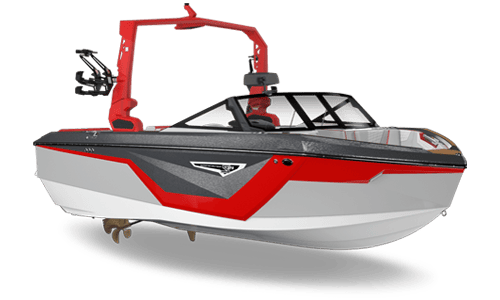
At Scotland Nautique, we recommend boats with ballast systems, which create the ideal wave for wake surfing. Nautique boats are designed to produce a clean, powerful wake, ensuring an exciting and smooth ride.
Perfecting Your Technique
Getting Started
Begin in the water with your board positioned in front of you. Hold the tow rope handle while keeping your knees bent and weight centred over the board.
As the boat starts moving, maintain a relaxed posture to keep your balance steady.
Finding Your Balance
Once you’re standing, focus on maintaining balance.
Keep your feet shoulder-width apart
Bend your knees slightly
Look forward, not down
Looking ahead helps maintain stability and control while riding.
Riding the Wake
As you approach the wake, lean slightly back to keep the board gliding smoothly on the water.
Control your direction using your hips and shoulders, carving gently across the wake. Shifting your weight will help create smooth turns and maintain flow.
A low centre of gravity will improve your balance and control.
Letting Go of the Rope
When you feel comfortable riding the wake, you can start practicing riding without the rope.
Gradually loosen your grip on the handle while staying balanced on the wave. With practice, you’ll soon be surfing freely behind the boat.
Safety Tips
Always have a spotter on the boat watching the rider.
Follow local wake surfing regulations on Loch Lomond.
Check weather and water conditions before heading out.
Experience Wake Surfing on Loch Lomond
Wake surfing on Loch Lomond with our sister company Loch Lomond WakeBoard offers an unforgettable experience. With spectacular scenery and ideal water conditions, it’s the perfect place to enjoy one of the most exciting water sports.
Whether you're learning for the first time or improving your skills, our expert team is here to help you make the most of your time on the water.
Get Started Today
Ready to ride the wave?
Visit Loch Lomond WakeBoard for more information about wake surfing sessions.
Contact Scotland Nautique to learn more about Nautique’s world-class wake boats.
Join us for an adventure filled with excitement and discover some of the best wake surfing in the world on Loch Lomond.
If you'd like, I can also help you:
SEO-optimise this article for Google
Convert it to a WordPress blog format
Add meta title, meta description, and keywords
Make it more promotional for Scotland Nautique.


Comments